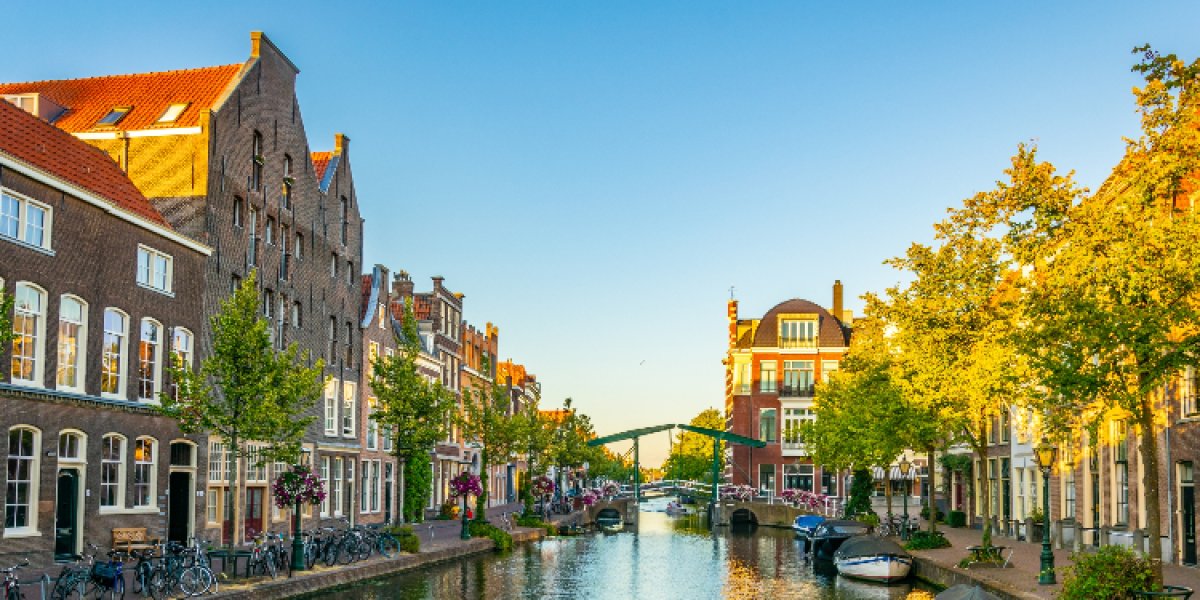
Dreaming of a life with picturesque canals, innovative cities, and a stellar work-life balance? The Netherlands offers a unique blend of historical charm and modern efficiency, attracting nearly 10% of its 18 million inhabitants from abroad. But navigating expat life in the Netherlands requires more than just learning to ride a bike. It's about understanding the nuances of visas, banking, healthcare, and integrating into a refreshingly direct culture.
This comprehensive guide cuts through the noise, offering clear, actionable advice to help you manage your move and thrive in your new Dutch home.
At a Glance: Your Dutch Journey Starts Here
- Visas & Registration: EU citizens need no visa; non-EU citizens need a long-stay visa and residence permit. Everyone staying over 4 months must register for a BSN.
- Economy: A strong, stable economy, the fifth-largest in the Eurozone, with opportunities in finance, logistics, IT, and healthcare.
- Language: Dutch is official, but English is widely spoken, making daily life accessible.
- Healthcare: Mandatory basic health insurance from private providers, costing €150-€200/month.
- Housing: A significant challenge, especially in major cities, with high rents and fierce competition. Start looking early!
- Cost of Living: High, particularly in urban centers, but offset by high quality of life and earning potential.
- Culture: Punctuality, direct communication, and cycling are hallmarks of Dutch life.
Why the Windmills Call Your Name: The Dutch Allure
The Netherlands isn't just a postcard; it's a strategically located hub that continually draws professionals, students, and families seeking a higher quality of life. As the fifth-largest economy in the Eurozone, its tertiary sector, particularly in financial services, logistics, IT, healthcare, and international trade, creates a vibrant job market.
Here’s why so many choose to make the leap:
- Economic Stability & Opportunities: A robust economy translates to numerous job opportunities for qualified professionals.
- World-Class Education: Boasting internationally renowned universities and over 2,000 English-taught programs, it's a magnet for students.
- High Quality of Life: Enjoy modern infrastructure, effective healthcare, low crime rates, and a coveted work-life balance.
- Multicultural Environment: Open-minded and cosmopolitan, the Netherlands embraces diversity.
- Strategic Location: Nestled in the heart of Europe, it offers easy access to major capitals, perfect for weekend getaways.
First Steps on Dutch Soil: Visas, Permits, and Your BSN
Before you can enjoy those picturesque canals, you'll need to sort out the essential paperwork. The process differs significantly depending on your nationality.
Visa and Residence Permit Essentials
- For EU Citizens: Good news! You don't need a visa for entry. However, if your stay exceeds four months, you must register with your local municipality (gemeente) to obtain a BSN (citizen service number). This number is your golden ticket for everything from working and banking to housing and healthcare.
- For Non-European Citizens (including US Citizens): A long-stay visa and a residence permit are required for stays longer than 90 days. Key options include:
- Dutch American Friendship Treaty (DAFT) Visa: A unique path for US entrepreneurs, requiring an investment of €4,500 and registration with the KvK (Chamber of Commerce) within six months. The application fee is €405.
- Highly-Skilled Migrant Residence Permit: If you've secured a job with an IND-recognized sponsor, this is your route.
- European Blue Card: Designed for highly qualified professionals with 5+ years of relevant experience.
- Partnership Visa: For those married to or in a registered partnership with a Dutch citizen or resident, with an application fee of €243.
- Student Visa: If you're accepted into an IND-recognized educational institution, you'll need this, along with proof of financial means. The application fee is €243.
Actionable Insight: Don't delay! Initiate the registration process with your local municipality (gemeente) immediately upon arrival. Securing your BSN is paramount. Have essential documents ready: your passport, proof of address, birth certificate, and if you're a student, your enrollment letter.
Building Your Life: Work, Study, and Retirement
Whether you're starting a new career, pursuing academic goals, or enjoying your golden years, the Netherlands offers robust frameworks for each stage of life.
Navigating the Dutch Job Market
The Dutch job market is competitive, yet full of opportunities, particularly for qualified professionals. Expect a typical workweek of 36-40 hours, with a maximum of 60. As of July 2025, the projected minimum wage is €14.40.
- Taxation: Income tax is progressive, ranging from 9.32% to 49.50%. Corporate tax is 19% up to €200,000, then 25.8%, with VAT at 21%.
- The 30% Ruling: A significant advantage for eligible skilled workers, this tax reduction allows you to receive 30% of your gross salary tax-free for up to five years. It's a powerful incentive for international talent.
- Entrepreneurship: The Netherlands encourages entrepreneurship with favorable tax conditions and simplified procedures, making it an attractive place to launch your own venture.
Unlocking World-Class Education
For those looking to advance their knowledge, the Netherlands is a prime destination. The country hosts 14 research universities and nearly 40 universities of applied sciences. A remarkable aspect for expats is the availability of over 2,000 programs taught entirely in English.
- Tuition Fees: For European students, tuition fees at public universities average around €2,600 per year.
- Language Requirements: A good English level (TOEFL iBT 80–90 or IELTS 6.0–6.5) is essential for English-taught programs.
Actionable Insights for Students: Apply early, especially for selective programs, aiming for before January 15th. Due to limited university residences, securing housing months in advance is crucial.
Retiring with Peace of Mind
The Netherlands boasts a solid three-pillar retirement system: a basic state pension, mandatory occupational pensions (often managed through your employer), and optional individual savings. This comprehensive system aims to provide financial security in retirement.
- Retirement Age: The legal retirement age is 67 years until 2027, increasing slightly to 67 years and 3 months in 2028.
- Pension Calculation: State pensions are based on years of residence in the Netherlands, accruing 2% per year between ages 15 and 67, reaching 100% after 50 years.
- Taxation: Pension taxation depends on the pension's nature. Crucially, the Netherlands has anti-double taxation mechanisms in place for expatriates, preventing you from being taxed twice on the same income.
Actionable Insight for Retirees: For a comfortable lifestyle, a net monthly income of €3,500 to €4,500 per person is generally recommended. Plan your finances thoroughly to ensure you meet this target.
Managing Your Money: Banks, Taxes, and Financial Savvy
Handling your finances in a new country can feel daunting, but the Dutch system is modern and efficient.
Banking in the Netherlands
The Dutch banking system is reliable, with major players like ING, Rabobank, and ABN AMRO offering services in English.
Actionable Insight: Open a local bank account immediately upon arrival. You'll typically need your BSN, a valid ID, and proof of address. For international money transfers, services like Wise or Revolut often provide more favorable exchange rates than traditional banks.
Understanding Dutch Taxation
The Dutch tax system is structured around three "boxes" for different types of income:
- Box 1: Income from work and homeownership.
- Box 2: Income from a substantial interest in a company.
- Box 3: Income from assets (savings and investments).
Tax returns are filed online via the Belastingdienst (Dutch Tax and Customs Administration).
Important for US Citizens: You remain obligated to file US tax returns, but a tax treaty between the US and the Netherlands prevents double taxation. Always declare any foreign bank accounts to your home country's tax authorities.
Staying Healthy: Understanding Dutch Healthcare
Dutch healthcare operates on a mandatory basic health insurance scheme, managed by private insurers. This means you choose your insurer, but the basic coverage is standardized by the government.
- Costs: Basic insurance typically costs €150-€200 per month.
- Deductible (Eigen Risico): There's a mandatory annual deductible of at least €385, which you can voluntarily increase up to €885 to lower your monthly premium.
- GP Consultations: A major benefit: General Practitioner (GP) consultations are 100% covered and exempt from the deductible. This emphasizes the gatekeeper role of the GP.
- Specialist Consultations: These usually cost €100-€200, with the patient's out-of-pocket cost depending on how much of their deductible remains.
Actionable Insights: - Take out health insurance as soon as possible after arriving to avoid fines.
- The emergency number for immediate medical help is 112.
- Be aware that the Dutch medical approach can be cautious and non-interventionist. You might experience wait times for specialist appointments.
- Consider supplementary insurance for services not covered by the basic package, such as extensive dental work, optical care, or physiotherapy.
Setting Down Roots: Accommodation and Education for Families
Finding a place to live and ensuring your children's education are often top priorities for expat families.
Finding Your Dutch Home
Housing in the Netherlands, especially in major cities like Amsterdam, Rotterdam, Utrecht, and The Hague, is a significant challenge. The country faces a housing shortage, projected to be 318,000 homes in 2025, leading to high rents and intense competition.
- Typical Rents (Amsterdam): Expect to pay €1,500-€2,600/month for a one-bedroom apartment, or €3,000-€5,500/month for a three-bedroom. Utilities typically add another €100-€230/month.
- Student Accommodation: Shared rooms for students average €600-€950/month.
- Property Purchase: High prices and purchase fees of 10-13% make buying a home a substantial investment.
Actionable Insights: - Start looking for housing several months before your arrival.
- Consider smaller or mid-size cities outside the major hubs for more affordable options.
- Be prepared with a copy of your passport/residence permit, proof of income, and a deposit (approximately three months' rent) when applying for rentals.
Schools for All Ages
Schooling is mandatory in the Netherlands from age 5, though most children start at 4. You have several options for your child's education:
- State-Funded Public Schools: These are free, offer Dutch instruction, and integrate children into the local system.
- Government-Subsidized Private Schools: Also free, these schools often have a faith-based or specific pedagogical approach (e.g., Montessori).
- French Schools: Offering instruction in French, these schools typically have tuition fees ranging from €7,500-€15,000.
- International Schools: Providing English or other language curricula (like IB or British curriculum), these are popular among expats but come with higher tuition fees, from €4,600-€31,000.
Actionable Insight: Apply several months in advance for schools, particularly for French and international schools, as places can be limited.
Embracing Daily Life: Logistics, Culture, and Integration
Moving to a new country involves more than just paperwork; it’s about adapting to a new rhythm of life.
Smooth Sailing: Moving and Logistics
- Moving Your Belongings: Compare international moving companies carefully and ensure you have comprehensive insurance. Prepare official documents (birth certificates, diplomas, driver’s license) and have them translated if necessary. Remember, the Netherlands uses Type C/F plugs (230V/50Hz).
- Pets: Bringing your furry friends? They'll need a microchip, an up-to-date European passport, and a valid rabies vaccination.
- Driving for US Citizens: You can use your US driver's license for up to 185 days. After this, you must obtain a Dutch license by passing both theory and practical exams. However, if you're a highly-skilled migrant benefiting from the 30% ruling, you might be able to exchange your US license directly for a Dutch one, saving you the exams.
The Dutch Way of Life: Culture and Communication
Dutch culture is distinctive, and understanding it will greatly aid your integration.
- Punctuality: Highly valued. Being on time for appointments and social engagements is expected.
- Direct Communication: The Dutch are known for their open and direct communication style. While it might seem blunt at first, it's generally meant to be efficient and honest.
- Cycling: More than a pastime, it's the dominant mode of transportation. The excellent cycling infrastructure makes it practical and enjoyable. Children are often educated in independence, frequently cycling alone from primary school age.
- Public Transport: Reliable and extensive, offering good connections across the country.
- Mobile Services: Mobile connectivity is of very good quality throughout the Netherlands.
- Language: While English is widely spoken, making daily interactions smooth, learning Dutch significantly aids integration. For permanent residency, you'll eventually need to pass an integration (inburgering) exam, which requires a Dutch language level of A2 or B1. This commitment to learning the local language shows respect and opens doors to deeper connections within the community.
You've explored many facets of relocating and settling in, but to truly thrive, you might want to Explore the NLD hub for more in-depth guides and resources.
The Price of Quality: Understanding the Cost of Living
The Netherlands has a relatively high cost of living, especially in its major cities. Numbeo data suggests it's approximately 1.7% higher than in the US, but the excellent quality of life often justifies the expense.
Here’s an estimated breakdown of monthly expenses:
- For a Single Person: Expect to spend €2,500-€4,300 per month. This includes typical rent of €1,500-€2,600, groceries costing €350-€550, and health insurance premiums of €180-€260.
- For a Family of Four: Monthly expenses can range from €5,600-€10,800. This accounts for rent of €3,000-€5,500, groceries at €750-€1,200, health insurance for the family at €420-€650, and education costs per child ranging from €400-€1,600 (depending on school type).
Remember that income tax is progressive, ranging from 9.32% to 49.5%, which can impact your net income.
Your Next Steps: Thriving in the Netherlands
Embarking on expat life in the Netherlands is an exciting journey filled with opportunities for personal and professional growth. The key to a smooth transition and successful integration lies in thorough preparation and an open mind.
To recap, here are your essential takeaways:
- Prepare Administratively: Tackle visa procedures, BSN registration, and opening a local bank account as top priorities.
- Understand Local Life: Familiarize yourself with the Dutch lifestyle, from the importance of punctuality to the pervasive cycling culture.
- Engage with the Community: Connect with other expatriates and locals. Their insights and experiences can be invaluable.
- Embrace Dutch Habits: Adopting local customs, like direct communication and a strong sense of organization, will significantly aid your integration.
- Learn the Language: While English is widely spoken, making an effort to learn Dutch will deepen your connections and open up more opportunities.
With careful planning and a readiness to embrace a new culture, you'll be well-prepared to enjoy everything that expat life in the Netherlands has to offer.