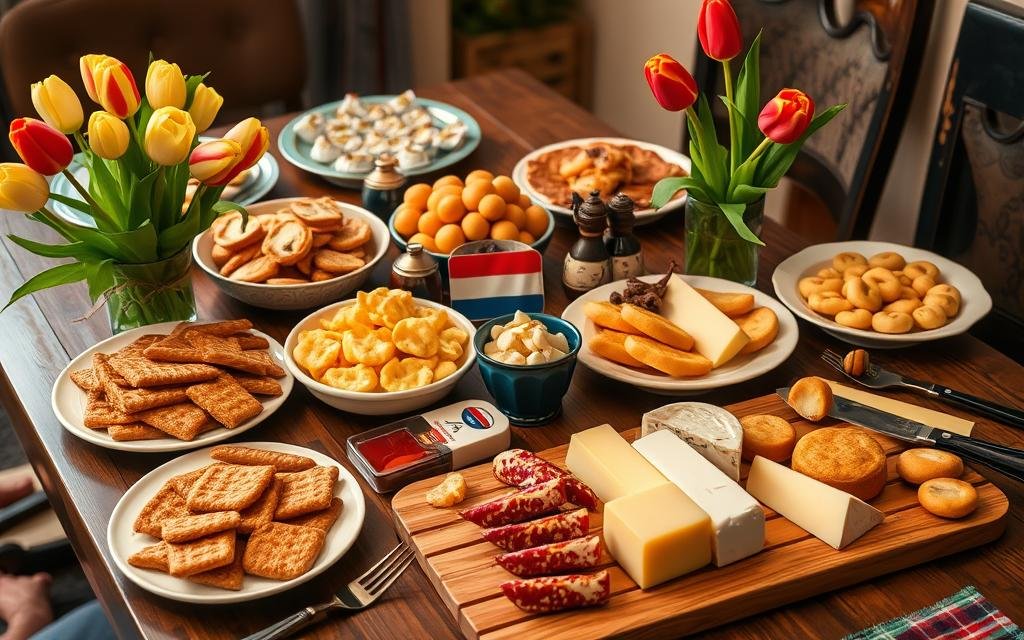
Savor Netherlands Food & Drink: Essential Dutch Culinary Experiences
Forget what you think you know about "Dutch food." It's far more than just cheese – though yes, there's a lot of incredible cheese. Dive into the world of Netherlands Food & Drink, and you’ll discover a rich, surprising tapestry woven from centuries of maritime trade, agricultural bounty, and a fascinating colonial past. From hearty comfort foods perfect for a chilly day to sweet treats that melt in your mouth, Dutch cuisine offers an authentic taste of a vibrant culture.
Ready to embark on a culinary journey that moves beyond the clichés and into the genuine flavors of the Low Countries? Let’s explore.
At a Glance: Your Quick Guide to Dutch Eats
- Hearty & Homey: Expect comforting, often potato-based dishes like stamppot and thick pea soup (erwtensoep).
- Cheese Everywhere: The Netherlands is the world's biggest cheese exporter, and you'll find incredible Gouda, Edam, and Leidse kaas.
- Deep-Fried Delights: Bitterballen and kroketten are quintessential bar snacks, while oliebollen grace New Year's Eve.
- Sweet Treats: From the famous stroopwafel to fluffy poffertjes and classic appeltaart, Dutch desserts hit the spot.
- Global Influences: Thanks to colonial history, Indonesian and Surinamese flavors are deeply embedded, offering incredible rijsttafel and diverse street food.
- Licorice Lovers Unite: The Dutch consume about 2 kilograms of drop (licorice) per person annually – available in countless sweet and salty varieties.
- Drink Up: Explore traditional Genever (Dutch gin), iconic Heineken and Grolsch beers, or the creamy indulgence of Advocaat.
Beyond Windmills and Tulips: Understanding the Heart of Dutch Cuisine
Dutch cuisine often gets an undeserved reputation for being bland or unexciting. Yet, its true character lies in its practicality, its celebration of seasonal ingredients, and its profound historical influences. The Dutch diet, while hearty and designed to sustain a hardworking populace through long winters, also reflects a global outlook. Dutch cuisine encompasses a diverse range of hearty comfort dishes and international influences, reflecting its maritime heritage, agricultural roots, and colonial history, making it far more dynamic than a simple plate of potatoes.
You’ll find an emphasis on fresh produce, dairy, and seafood. Meals are typically straightforward, nourishing, and built around a strong sense of community and family dining. But don't mistake simplicity for lack of flavor. The magic is in the quality of ingredients and often, the accompanying sauces and spices.
The Savory Core: Iconic Dutch Dishes You Must Try
When you think of Netherlands Food & Drink, certain savory staples immediately come to mind. These dishes are not just meals; they're cultural touchstones, enjoyed in homes, pubs, and markets across the country.
A Cheese Lover's Paradise
It’s impossible to talk about Dutch food without dedicating a significant spotlight to cheese. With cheese-making dating back to around 800 B.C., the Netherlands isn't just a nation of cheese lovers – it's the world's biggest cheese exporter. The average Dutch person consumes an impressive 14.3 kilograms of cheese annually, a testament to its integral role in daily life.
- Gouda: The undisputed king of Dutch cheeses. Made from cow's milk, Gouda is incredibly versatile. You’ll find it aged from just four weeks (young and mild, perfect for a sandwich) to over a year (old and sharp, developing a crumbly texture with crunchy tyrosine crystals, a sweet, nutty flavor, and a deep golden hue). Smoked Gouda, with its distinctive dark rind and smoky aroma, is also a popular choice. Its name isn't just for show; historically, trade for this cheese took place in the city of Gouda, where a vibrant weekly cheese market can still be observed.
- Edam: Instantly recognizable by its classic round shape and protective red wax coating, Edam is generally milder than Gouda. It’s a fantastic snacking cheese, often sliced thinly and served with fruit or crackers, making it a staple on many breakfast or lunch tables.
- Leidse kaas: For those seeking a unique flavor profile, Leidse kaas (Leiden cheese) is a must-try. Flavored with cumin seeds, it offers an aromatic, slightly spicy counterpoint to the more traditional Dutch cheeses.
- Beyond the Big Names: Don’t stop at the classics. The Netherlands also produces delicious goat and sheep cheeses, offering a broader spectrum of tastes and textures for discerning palates.
From the North Sea: Seafood Staples
With its extensive coastline and maritime heritage, it’s no surprise that fish plays a prominent role in Dutch cuisine.
- Haring (Raw Herring): This might be the most iconic and perhaps intimidating Dutch culinary tradition for visitors. Haring is a fatty fish, meticulously cleaned, lightly brined, salted, and served chilled with chopped raw onions and pickles. The authentic way to eat the seasonal "hollandse nieuwe" (new herring, available from mid-June to July) is to hold the fish by its tail, tilt your head back, and let it slide gracefully into your mouth. It's an unforgettable experience – surprisingly delicate and utterly delicious.
- Kibbeling (Fried Fish): If raw herring isn't quite your speed, kibbeling offers a more universally appealing introduction to Dutch seafood. These are bite-sized pieces of white fish (typically cod, pollock, or hake), battered and deep-fried until golden and crispy. Often served with a tangy garlic sauce, remoulade, or tartar sauce, kibbeling is essentially the Dutch answer to fish and chips. You'll find it at street markets, bustling seafood stalls, and it's an absolute must-try, especially in coastal areas like Scheveningen.
Hearty Comfort: Stews, Soups & Staples
When the Dutch weather turns chilly, these warming, substantial dishes come into their own. They are the epitome of comfort food, designed to fill you up and keep you warm.
- Stamppot (Mashed Potatoes and Vegetables): A cornerstone of Dutch winter cuisine, stamppot is a hearty, wholesome dish of mashed potatoes combined with various seasonal vegetables. Popular variations include boerenkool (kale), hutspot (carrots and onions – a classic mix), or zuurkoolstamppot (sauerkraut). It's almost always served with a juicy rookworst (smoked pork sausage) and can be beautifully enhanced with a pat of butter, rich gravy, crunchy pickles, or crispy bacon bits.
- Erwtensoep (Split Pea Soup): Also affectionately known as "snert," this is no ordinary pea soup. Erwtensoep is incredibly thick – traditionally so dense that a spoon stands upright in it. Made with split peas, root vegetables, and smoked pork, it's a wonderfully warming and filling meal. Many believe it tastes even better the day after preparation, allowing the flavors to meld and deepen. It’s the ultimate antidote to a cold, damp Dutch day.
- Hachée (Beef Stew): A deeply flavorful and satisfying beef stew, hachée features slow-cooked meat with onions, herbs (often bay leaves and cloves for warmth), and a touch of vinegar, all thickened with flour. The result is a rich, savory dish that is typically served over mashed potatoes or alongside stamppot, often with a side of sweet and sour red cabbage to cut through the richness.
The Ultimate Dutch Snacks: Deep-Fried Delights
The Dutch love a good snack, especially one that's perfectly crispy on the outside and wonderfully savory on the inside. These deep-fried treats are ubiquitous in cafes, bars, and snack bars (snackbar or frituur).
- Bitterballen (Deep-Fried Meatballs): The quintessential Dutch bar snack. These delectable deep-fried balls boast a crispy, golden-brown exterior that gives way to a creamy, hot interior. The filling is a savory, thick gravy made from finely shredded beef, rich broth, flour, butter, and herbs, all coated in breadcrumbs before frying. Bitterballen are traditionally served with a dollop of sharp mustard for dipping, and they pair perfectly with a cold beer.
- Kroketten (Croquettes): Similar in concept to bitterballen but cylindrical in shape, kroketten are another beloved deep-fried snack. They feature a molten, thick gravy center, often with meat (beef or veal), but you'll also find popular variations like kaaskroket (cheese) or garnalenkroket (shrimp). Like bitterballen, they're coated in breadcrumbs and fried to a golden crisp. It's not uncommon to enjoy a kroket as a sandwich, served on a soft white bun – known as a "broodje kroket."
- Oliebollen (Deep-Fried Dough Balls): A cherished New Year's Eve tradition, oliebollen appear in pop-up stalls across the Netherlands from November onwards. These deep-fried dough balls, made from flour, yeast, milk, and eggs, often contain raisins or apple pieces, adding pockets of sweetness. Served piping hot and generously dusted with powdered sugar, they are a delightful, festive indulgence.
- Patat Frites & Patatje Oorlog (Dutch Fries): While you might think of French fries as, well, French, the Dutch have made them their own. Patat Frites are thick-cut, crispy, and usually served in a paper cone with a dizzying array of sauces. The most famous and adventurous is Patatje Oorlog (literally "War Fries"), a glorious concoction topped with a generous dollop of mayonnaise, chopped raw onions, and a spicy peanut sauce (often satésaus). Other popular options include just satésaus or curry ketchup.
- Bamischijf (Fried Noodle Patty): A testament to the Dutch embrace of Indonesian flavors, the bamischijf is a deep-fried patty made from bami goreng (stir-fried noodles with vegetables and sometimes ground meat), all pressed into a disc and coated in breadcrumbs. It offers a wonderfully crunchy exterior and a flavorful, noodle-filled center, often served with a fiery sambal sauce for an extra kick.
A Sweet Tooth's Dream: Dutch Desserts & Treats
From crispy waffles to fluffy mini-pancakes, Dutch sweets are comforting, often spiced, and universally loved.
- Stroopwafel (Syrup Waffle): Perhaps the most famous Dutch sweet export, the stroopwafel originated in Gouda over 200 years ago. These are thin, crispy waffle cookies sliced in half and filled with a sweet, sticky caramel-like syrup. You can buy them packaged in supermarkets, but for the ultimate experience, seek out a fresh one from a street vendor or bakery. The traditional way to enjoy a packaged stroopwafel is to place it on top of a hot drink, allowing the steam to gently warm the syrup filling, making it wonderfully soft and gooey.
- Poffertjes (Mini Pancakes): These are little clouds of culinary joy. Poffertjes are fluffy, bite-sized mini-pancakes, typically made with buckwheat flour and yeast, giving them a unique texture. Cooked in a special dimpled "poffertjespan," they are traditionally served warm with a generous dusting of powdered sugar and a melting pat of butter. You can also find them with modern toppings like Nutella or fresh fruit.
- Pannenkoeken (Dutch Pancakes): Forget the small, fluffy American pancakes or thin French crêpes. Dutch pannenkoeken are dinner-plate sized, thinner than American pancakes but thicker than crêpes. They are incredibly versatile, served either sweet (e.g., with apples and cinnamon, or syrup) or savory (e.g., with bacon and cheese, or mushrooms). Dedicated "pannenkoekenhuis" (pancake houses) are popular spots for families and offer endless topping combinations.
- Appeltaart (Dutch Apple Pie): With a history stretching back 500 years, Dutch appeltaart is a quintessential dessert. It's distinct from its American cousin; generally less sweet, featuring densely stacked apples (often a tart variety), spiced generously with cinnamon and sometimes raisins, all encased in a deep, crumbly, lattice-topped crust, often baked in a springform pan. It is most commonly served "met slagroom" (with whipped cream).
- Speculaas: A spiced shortcrust cookie, speculaas is traditionally associated with the Christmas season and the feast of St. Nicholas, but thankfully, it's available year-round. These crisp, buttery cookies are richly flavored with a blend of cinnamon, nutmeg, cloves, and other seasonal spices. They are often intricately shaped, sometimes as windmills or elaborate St. Nicholas figures.
- Hopjes Coffee Candy: A delightful, historic treat, Hopjes coffee candies have been popular for over 200 years. These unique sweets combine the rich flavors of coffee and caramel, originating from an accidental caramelization by Baron Hendrik Hop. They are often served alongside a cup of coffee or as a satisfying after-dinner sweet.
Uniquely Dutch: Acquired Tastes & Daily Delights
Some Dutch food items are so specific to the culture that they become an experience in themselves.
- Drop (Dutch Licorice): This is perhaps the ultimate acquired taste in the Netherlands. The Dutch consume approximately 2 kilograms of drop per person annually, available in an astonishing variety of flavors, from intensely sweet to shockingly salty. If you're adventurous, try varieties like traditional black anise, salty (zoute drop), honey, mint, or "schoolkrijt" (soft licorice in a mint shell). Be warned: the salty varieties are not for the faint of heart!
- Hagelslag (Chocolate Sprinkles): Forget cereal for breakfast. Many Dutch people start their day with hagelslag – chocolate sprinkles – liberally scattered over buttered bread or a cracker. The name "hagelslag" charmingly means "hailstorm" in Dutch, a nod to the way the sprinkles resemble a shower of hail. It’s a simple, sweet pleasure often enjoyed by adults and children alike.
Raise a Glass: Iconic Dutch Drinks
No culinary journey is complete without exploring the local beverages. The Netherlands offers a surprising range, from venerable spirits to refreshing beers.
- Genever (Dutch Gin): The juniper-flavored Dutch spirit, Genever, is the historical predecessor to modern gin, with roots dating back to the 16th century. It offers a distinct maltier flavor than gin, often with a hint of sweetness. You'll find two main types: Oude (old), which has a stronger malt wine presence and a richer character, and Jonge (young), which is lighter and more neutral. It's often served chilled in a tulip-shaped glass, with the first sip traditionally taken without lifting the glass from the table ("kopstoot"). Sometimes, it's followed by a beer chaser, a combination known as a "kopstootje."
- Pale Lagers (Pils): The Netherlands is home to some of the world's most famous pale lagers, or "pils." Brands like Heineken, Amstel, and Grolsch are quintessential Dutch beers, known for their light, crisp, and refreshing taste. They are best enjoyed chilled and are the perfect accompaniment to hearty snacks like bitterballen.
- Advocaat (Egg Liqueur): A unique and indulgent treat, Advocaat is a thick, creamy liqueur that resembles a boozy custard. Made from eggs, sugar, and brandy, it’s typically enjoyed straight up in a small glass as an after-dinner digestif, often spooned out due to its thickness. It can also be found in classic cocktails, such as the "Snowball," where it's mixed with lemonade and lime juice.
A World on Your Plate: Colonial Influences & Dining Culture
The story of Netherlands Food & Drink is incomplete without acknowledging the profound impact of its colonial history, which has introduced a vibrant array of international flavors into the Dutch culinary lexicon.
The Legacy of Rijsttafel
Perhaps the most prominent example of this influence is the rijsttafel (rice table). This elaborate Indonesian-inspired feast is a culinary spectacle, consisting of many small, flavorful dishes (potentially over 20 different items) served alongside plain white rice. You'll find an astonishing variety, including rich curries, delicate fish, vibrant vegetables, crunchy pickles, and flavorful satays. The rijsttafel isn't just a meal; it's a dining event, a shared experience that allows you to sample a vast spectrum of Indonesian flavors, representing a significant and delicious legacy of Dutch colonial history.
Surinamese & Other International Flavors
Beyond Indonesian cuisine, Surinamese influences have also shaped the Dutch food scene. Surinamese food itself is a fascinating fusion of African, Indian, Indonesian, and Chinese flavors. In the Netherlands, you can savor dishes like rich roti (flatbread with curried chicken or vegetables), savory pom (a baked taro root dish), and flavorful bami (stir-fried noodles). You'll also encounter ubiquitous Indonesian street food favorites like satay (grilled skewers with peanut sauce), nasi goreng (fried rice), and gado-gado (vegetable salad with peanut sauce). These global influences contribute to a surprisingly diverse and exciting culinary landscape in the Netherlands.
The Rhythm of Dutch Meals
Understanding the dining culture helps complete the picture of Netherlands Food & Drink.
- Breakfast: Typically a simple affair, often consisting of bread with cheese, sliced meats, or the beloved hagelslag.
- Lunch: Usually a quick, light meal, often a sandwich (broodje) or a soup.
- Dinner: The main event of the day, traditionally served quite early, between 5 and 7 PM. It's a time for families to gather, share stories, and enjoy a warm, hearty meal together. Adherence to table manners, such as keeping hands visible above the table and saying "eet smakelijk" (enjoy your meal) before eating, reflects the structured yet convivial nature of Dutch family dining. If you're delving into the Dutch way of life, understanding its culinary tapestry offers a rich insight into the broader culture of the Netherlands.
Your Culinary Compass: Navigating Netherlands Food & Drink
Exploring Netherlands Food & Drink is an adventure for your senses. Don't be shy – step outside your comfort zone and embrace the local flavors.
Tips for Your Culinary Journey:
- Hit the Markets: Local markets are the best places to find fresh produce, artisanal cheeses, hot stroopwafels, and delicious kibbeling.
- Visit a Snackbar or Frituur: For an authentic snack experience, seek out these casual eateries for your bitterballen, kroketten, and patatje oorlog.
- Embrace the "Pannenkoekenhuis": If you're traveling with family or simply love pancakes, a dedicated pancake house offers a fun and delicious dining experience.
- Be Adventurous with Herring: If you're visiting in summer, don't miss the chance to try hollandse nieuwe. It's a truly unique taste of the Netherlands.
- Try Rijsttafel at Least Once: It's a celebratory meal that showcases the incredible depth of flavors brought by Indonesian cuisine. Look for a well-regarded Indonesian restaurant.
- Don't Fear the Drop: While it might challenge your taste buds, trying different types of drop is a quintessential Dutch experience. Start with the sweet ones if you're unsure!
- Ask for Recommendations: Locals are often keen to share their favorite spots and dishes, offering insights you won't find in guidebooks.
The food of the Netherlands is more than sustenance; it's a narrative of history, resilience, and a quiet appreciation for the good things in life. So, go forth, explore, and savor every bite. Eet smakelijk!